01Community
Community Wellness
Providing consumers with clean, nutrient-dense, chemical-free rice while ensuring local farmers have safer working environments and better livelihoods.
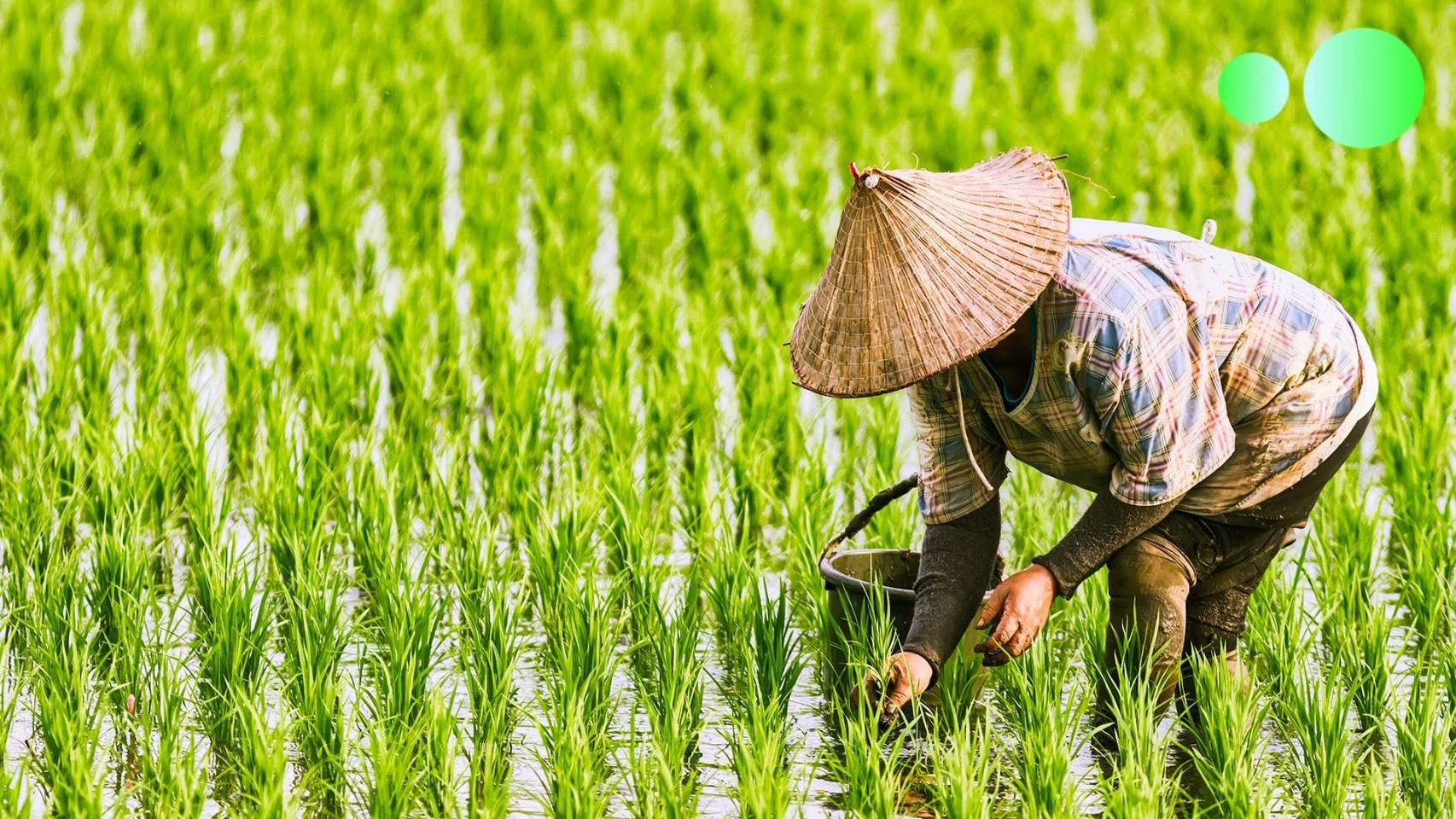
เบิกบาน · To flourish
Bergbarn cultivates low-carbon, chemical-free rice through regenerative agriculture — restoring soil, supporting farmers, and nourishing communities from soil to spoon.
100%
Chemical-free
Lower
Carbon footprint
Higher
Farmer livelihoods
The Bergbarn Promise
Traditional rice farming is one of the leading agricultural contributors to carbon emissions. At Bergbarn Rice, we are changing the narrative through the power of regenerative agriculture — proving that sustainability and abundance can grow side by side.
Holistic Wellness · Soil to Spoon
Our low-carbon rice is cultivated to support two vital pillars — for the people who grow it, the people who eat it, and the land that sustains both.
Providing consumers with clean, nutrient-dense, chemical-free rice while ensuring local farmers have safer working environments and better livelihoods.
Restoring biodiversity, protecting local waterways, and rejuvenating the soil so it can thrive for generations to come.
Innovation in Action
Sustainability shouldn't come at the expense of productivity. Bergbarn has innovated the organic supply chain and on-farm practices to completely replace synthetic chemical fertilizers — proving eco-friendly farming can be highly efficient.
By eliminating expensive chemical inputs, we reduce the financial burden on farmers — making sustainable practices economically rewarding.
Our regenerative practices build robust soil health, leading to resilient crops and stronger harvests season after season.
We actively trap carbon in the soil rather than releasing greenhouse gases — making our rice a true low-carbon solution.
A new chapter for rice
“Sustainability shouldn't come at the expense of productivity — and productivity shouldn't come at the expense of the planet.”